In-Person Workplace ESL (English) Classes at Your Company
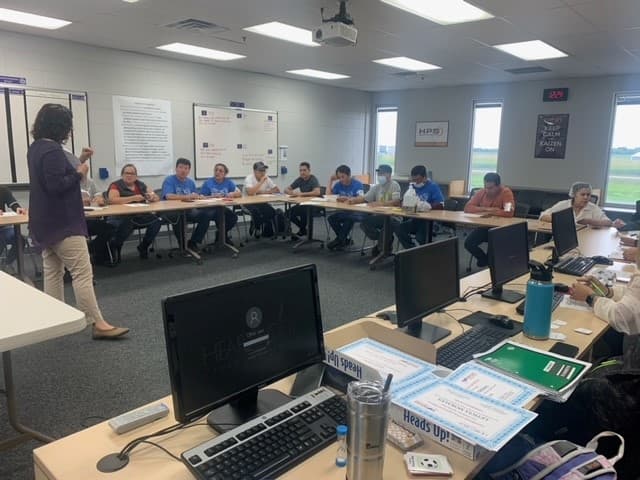
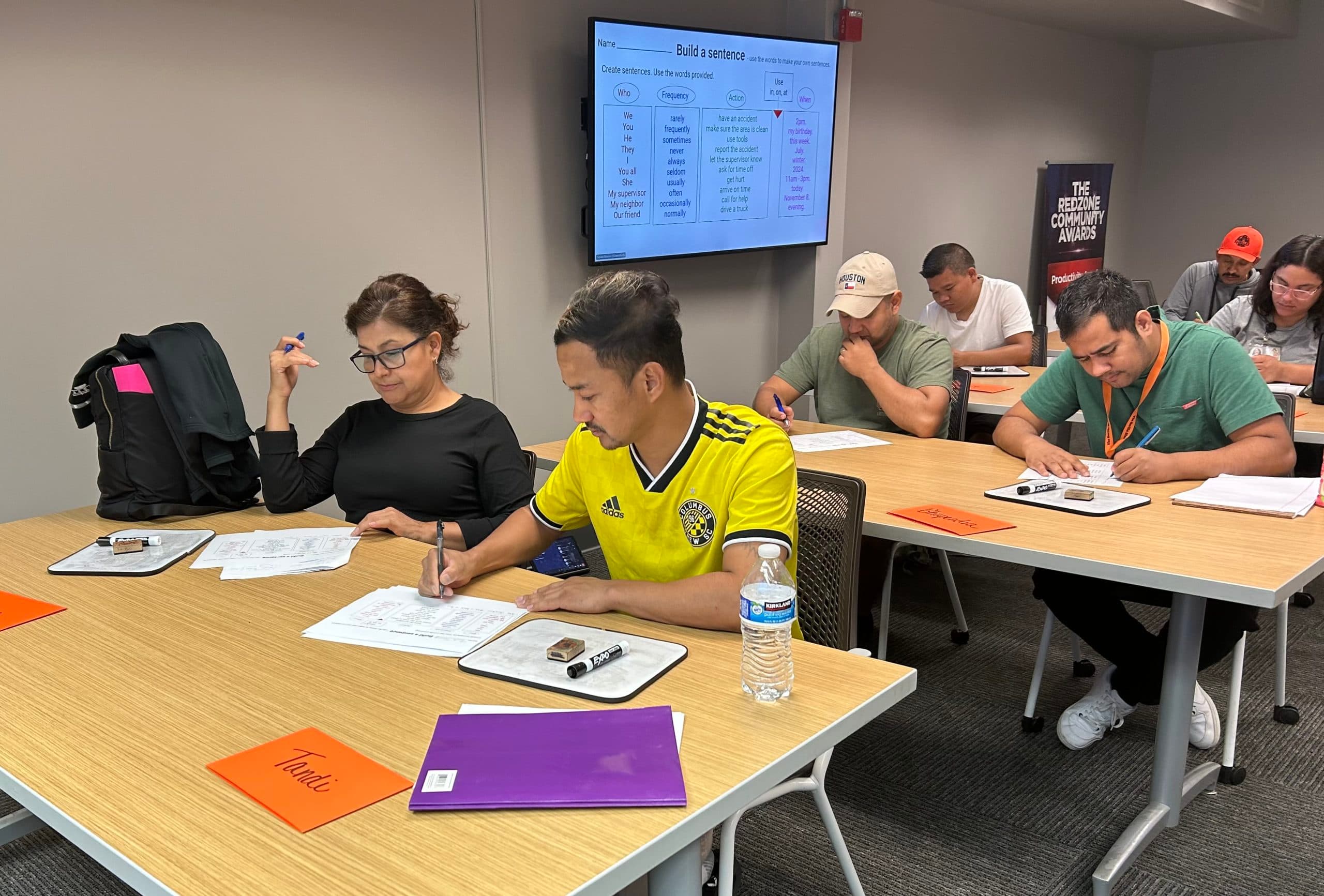
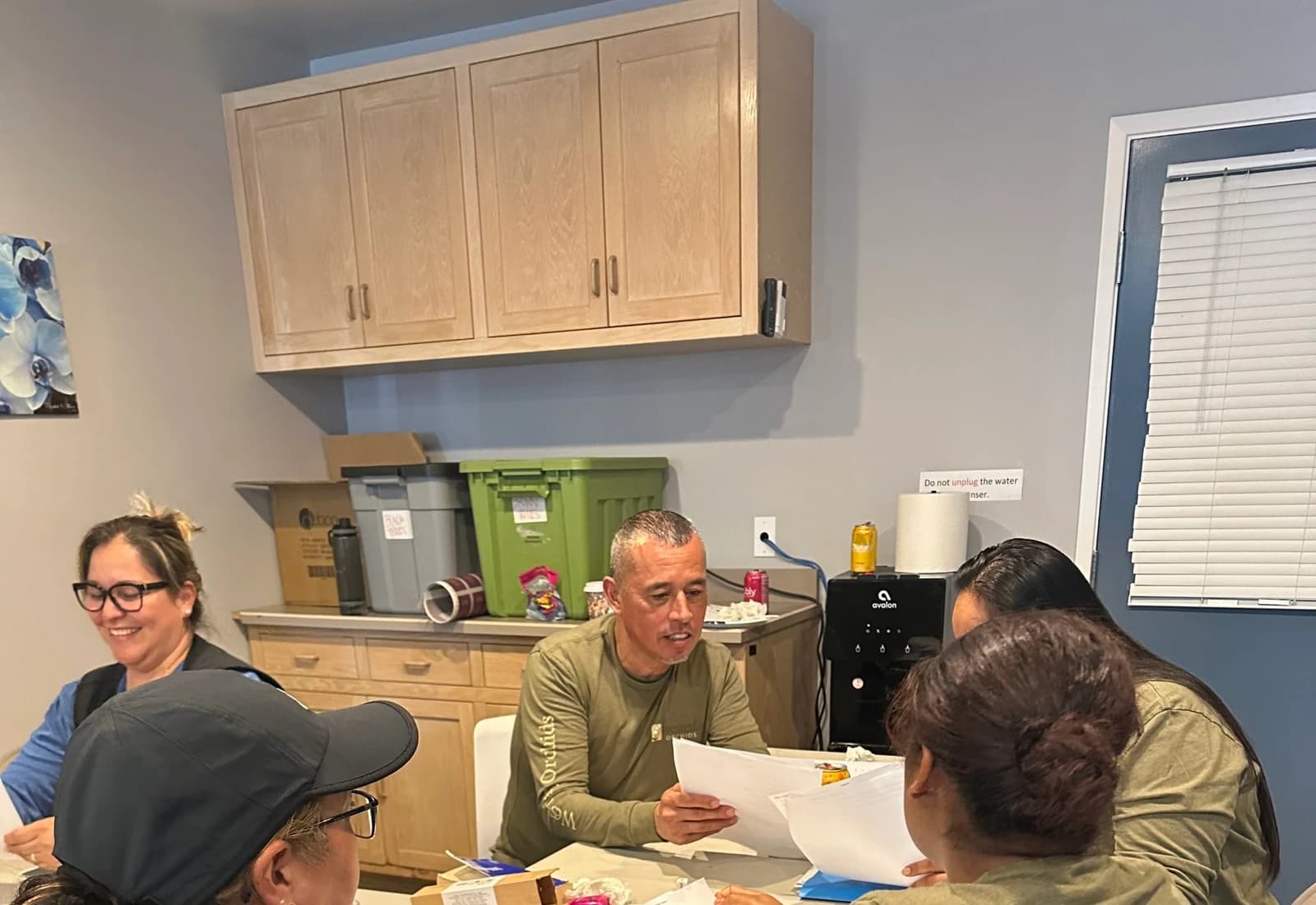
Bring English practice into the workplace employees already know. An onsite ESL cohort can work through instructions, demonstrations, and questions together, using the equipment names and everyday situations that shape communication at your location.
Our process turns company-specific language challenges into practical instruction, customized materials, progress reporting, and ongoing support from a dedicated training team.
Qualified Instruction
Corporate language classes are led by experienced instructors with advanced target-language expertise and a practical workplace focus.
All WPL instructors have at least an MA in the target language.
The instructor meets with the company contact before launch.
Site visits or virtual discovery help connect class content to real workplace language needs.
Needs Assessment & Placement
Each program starts with discovery so training reflects the company, the learners, and the communication problems that need to improve.
Participant needs assessments identify individual and company language priorities.
Online proficiency assessments can support placement and pre/post progress measurement.
Learner levels, roles, schedules, and business goals shape the rollout plan.
Customized Curriculum
Lessons are built around the client's industry, company, job functions, and practical communication moments.
Programs are customized for 8- or 10-week online or in-person delivery.
Materials draw from needs assessments, site visit notes, job descriptions, and company documentation.
Lesson plans include learning objectives, teacher instructions, and interactive speaking assignments.
Coordination & ROI Tracking
Clients get ongoing support, visibility, and progress documentation throughout the course.
A dedicated Language Training Coordinator supports the client, instructor, and course updates.
Attendance is tracked, with mid-term and final participant progress reports.
Online classes are recorded, and optional 1:1 coaching or tutoring can be added.
Understand an instruction and explain it back
An employee may recognize a task name but miss the order, condition, or exception in an instruction. Start with a familiar process and practice how to check those details, ask for clarification, and describe the next step in the learner’s own words.
Separate what must happen first from what happens afterward.
Ask a supervisor to explain an unfamiliar word or demonstrate a step.
Describe a routine issue with the item, location, and help needed.
Share representative signs, job descriptions, and routine exchanges during planning. An instructor-led class at your location can connect that vocabulary with face-to-face practice, while the company contact helps identify the communication situations worth rehearsing.
Choose a room where employees can hear and speak without competing noise.
Arrange consistent release time for the same group of learners.
Discuss starting proficiency before combining employees in one cohort.
Useful progress may be an employee asking a focused question at a shift meeting or giving a clearer update to a coworker. Revisit the same task during the course and compare the details the learner can understand and explain without prompting.
Practice a short update about completed and unfinished work.
Connect new phrases to opportunities for use between classes.
Combine instructor observations with assessments when reviewing progress.
Frequently asked questions about Workplace Languages
How is onsite ESL different from a general English class?
The planning starts with your employees and their work. Share the instructions, conversations, and vocabulary they need so the course can focus on those communication tasks instead of a general academic syllabus.
Can employees from different shifts join an onsite English course?
Discuss the shifts and release arrangements with Workplace Languages before choosing a schedule. Starting levels and practical goals also matter when deciding which employees should learn together.
What should we prepare before the instructor arrives?
Identify a suitable class space, a company contact, and examples of recurring communication needs. Learner intake and optional proficiency assessment can help clarify placement and the first goals of the program.
Ready to get started?
Share your languages, locations, and goals through the request form, and the team will recommend the best next step.