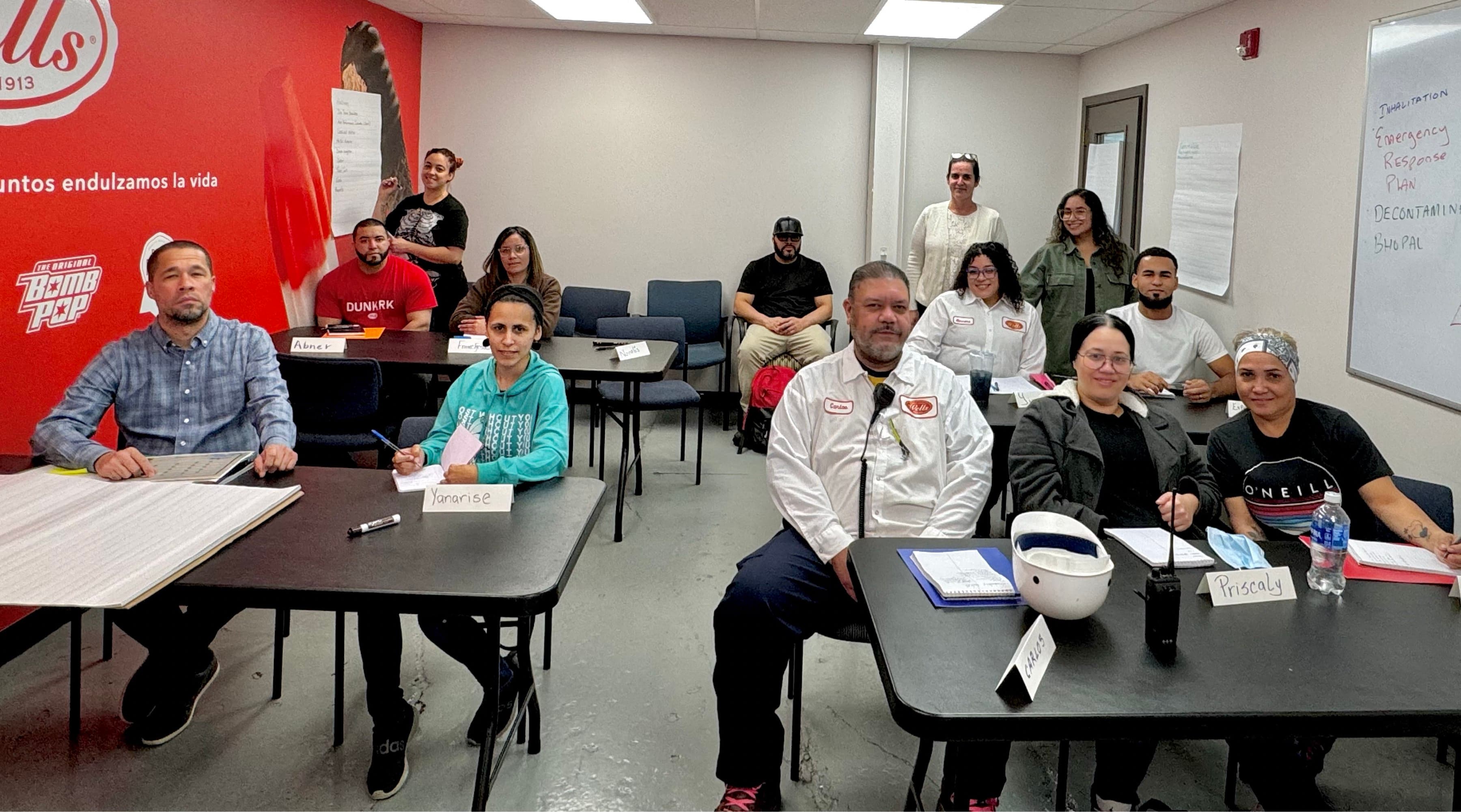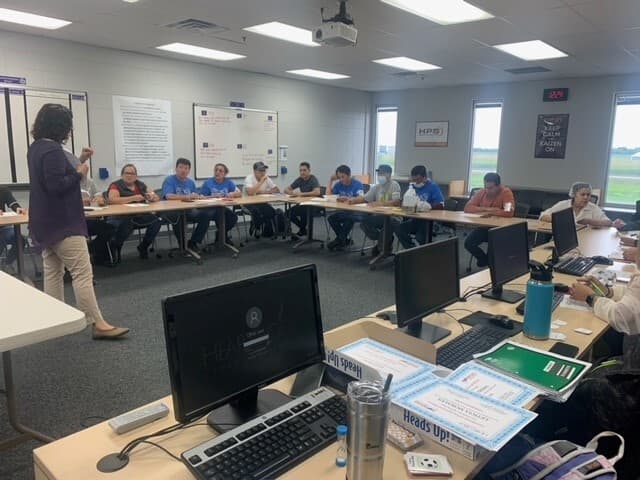

In healthcare, language support affects patient understanding, staff workload, privacy, and risk. It should not depend on which bilingual employee happens to be available.
Build several forms of access
A practical strategy may include:
- Qualified interpretation by phone, video, or onsite according to the situation.
- Professionally translated forms, instructions, notices, and educational material.
- Clear procedures that staff can follow during a busy shift.
- Appropriate proficiency verification for bilingual employees whose role includes language responsibilities.
The strategy may also include workplace language and cultural competency training for staff.
The organization may need more than one interpretation option. Phone interpretation is fast and useful for many conversations. Video provides visual context and supports sign language interpretation. Some situations require an onsite professional.
Do not rely on informal interpretation alone
Bilingual staff members are valuable, but they have their own responsibilities. Pulling them away repeatedly can affect patient care and workflow. Everyday bilingual communication is also not automatically the same as professional medical interpretation.
Start with the patient and staff population
A needs analysis can review the languages most often requested, the points in care where communication is critical, current staff proficiency, translated materials, and how employees access interpretation.
Healthcare organizations should confirm specific federal, state, funding, accessibility, and professional requirements with qualified legal and compliance counsel. A strong strategy should go beyond the minimum and make the approved language support easy for staff to use.
Workplace Languages provides testing, training, translation, and interpretation solutions and can help healthcare teams plan the language pieces that fit their organization.