


Interpretation through Video Conferencing
Bring interpreters into virtual meetings, trainings, interviews, and remote conversations where spoken language and visual context both matter.
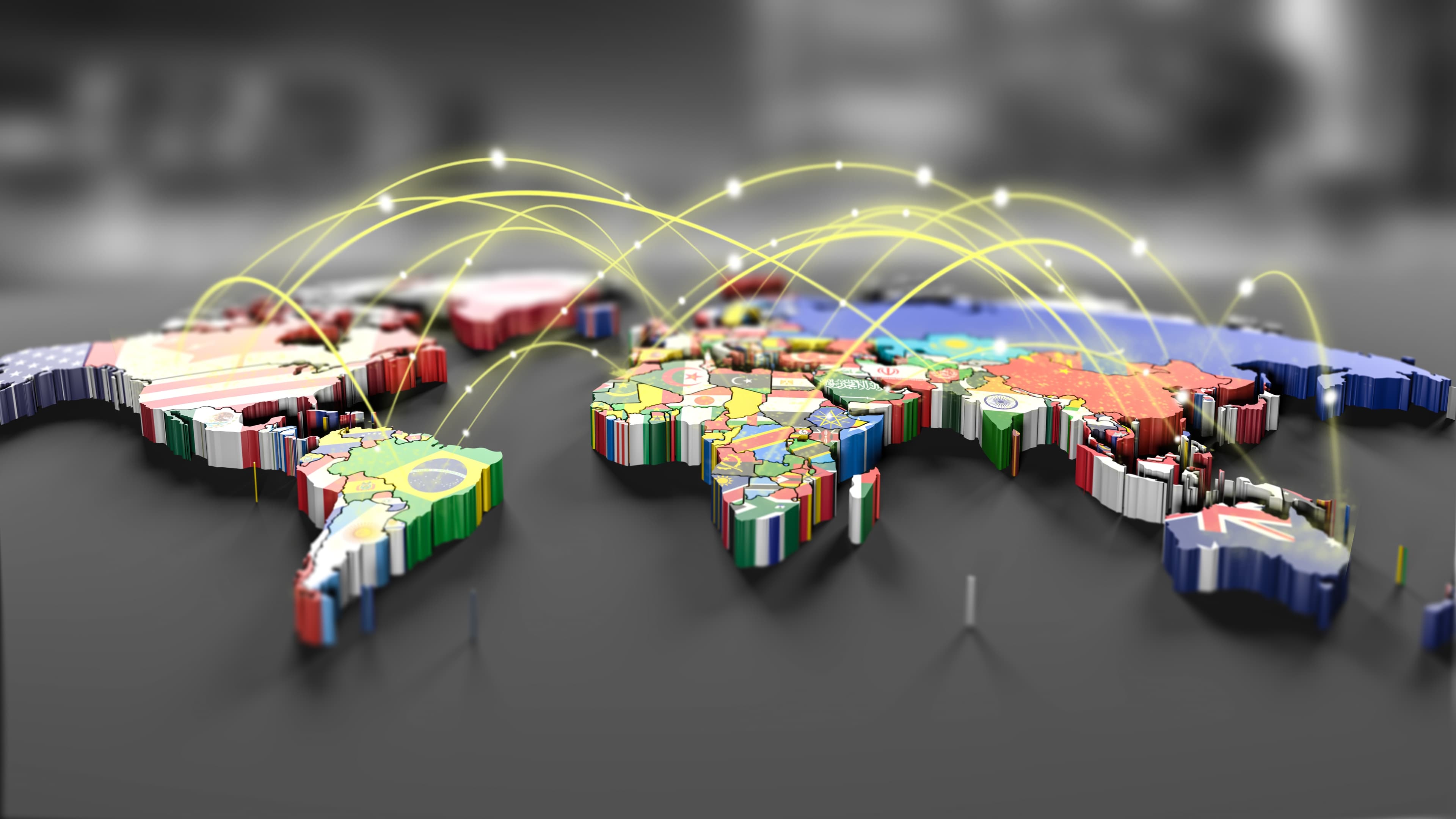
Built for multilingual video meetings and virtual events
Virtual meetings are now a normal part of how teams work across regions and languages. Video-based interpretation helps organizations support multilingual participation when meetings rely on visual cues, slides, demonstrations, or shared-screen content.
- Supports meetings held through common video platforms such as Zoom or Webex-style tools
- Useful when participants need both interpreted audio and visual context
- Helps global and cross-functional teams stay active in live conversations
- Keeps multilingual meetings more organized when several language groups are involved
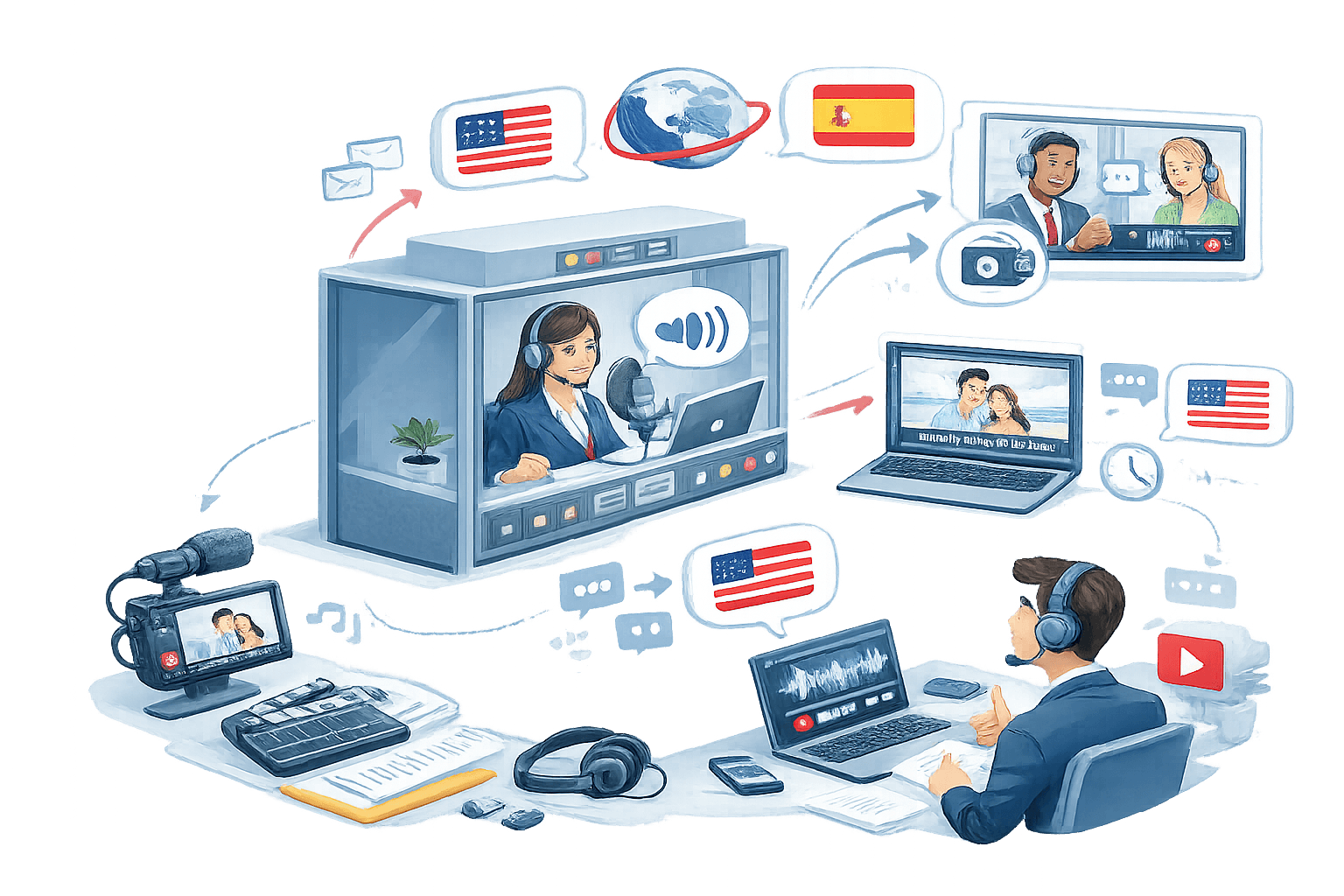
Plan the meeting environment before the call starts
Video interpretation works best when the meeting setup is considered early. Strong platform configuration, translated materials, and a pre-meeting technical check all help the session run more smoothly.
- Choose a platform that can support multilingual audio-channel workflows when needed
- Share translated or multilingual materials in advance so attendees can prepare
- Use chat and supporting visuals to reinforce key points during the session
- Run a short technical check with hosts and interpreters before the meeting begins
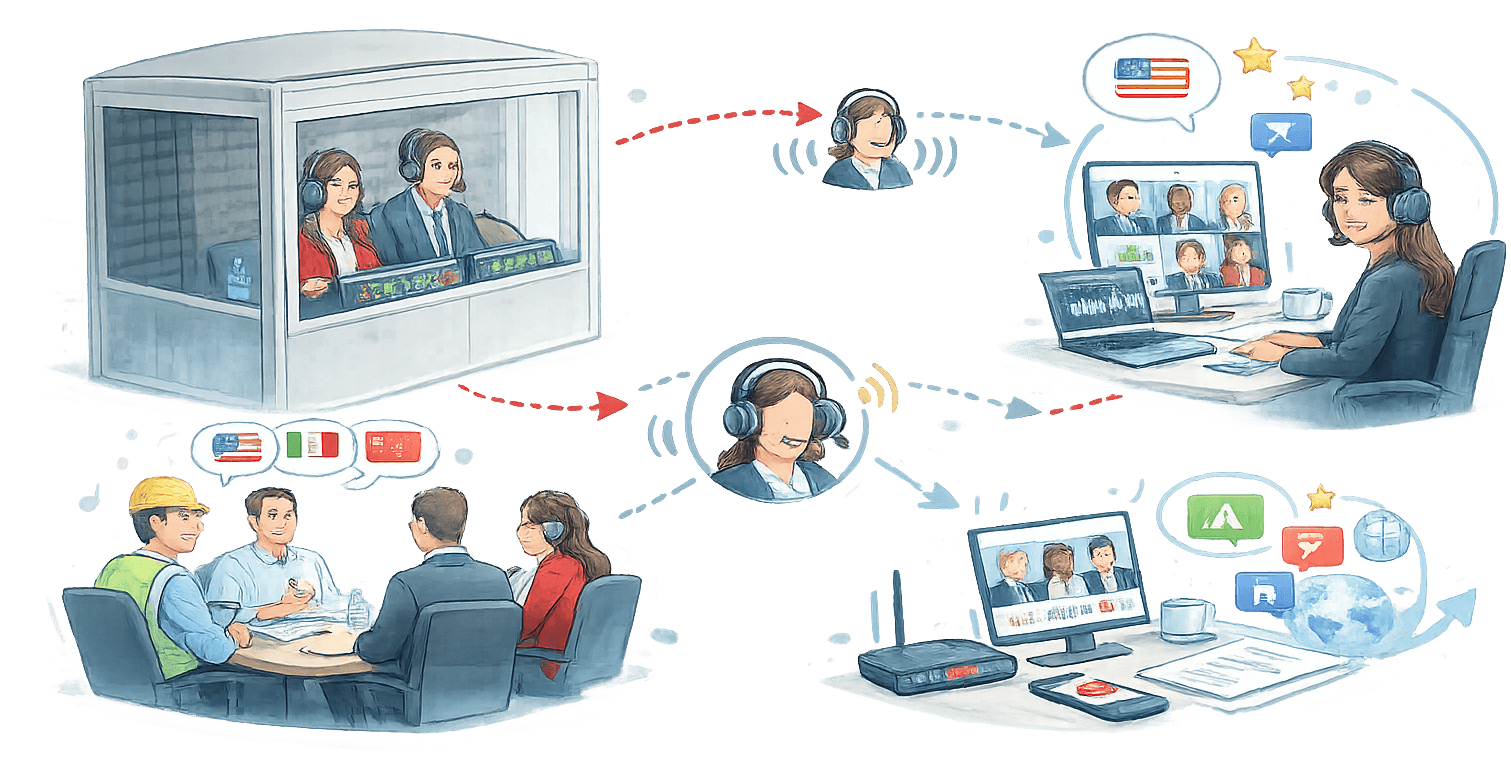
Work with interpreters prepared for your context
Live video interpretation requires more than bilingual ability. Interpreters need to follow tone, nuance, and real-time changes while understanding the context of the organization and the meeting itself.
- Interpreter preparation improves clarity for business, training, and cross-functional meetings
- Pre-briefing helps align on terminology, participants, and meeting goals
- Skilled interpreters support smoother Q&A and fewer misunderstandings
- A strong workflow keeps teams moving even when virtual meetings become dynamic
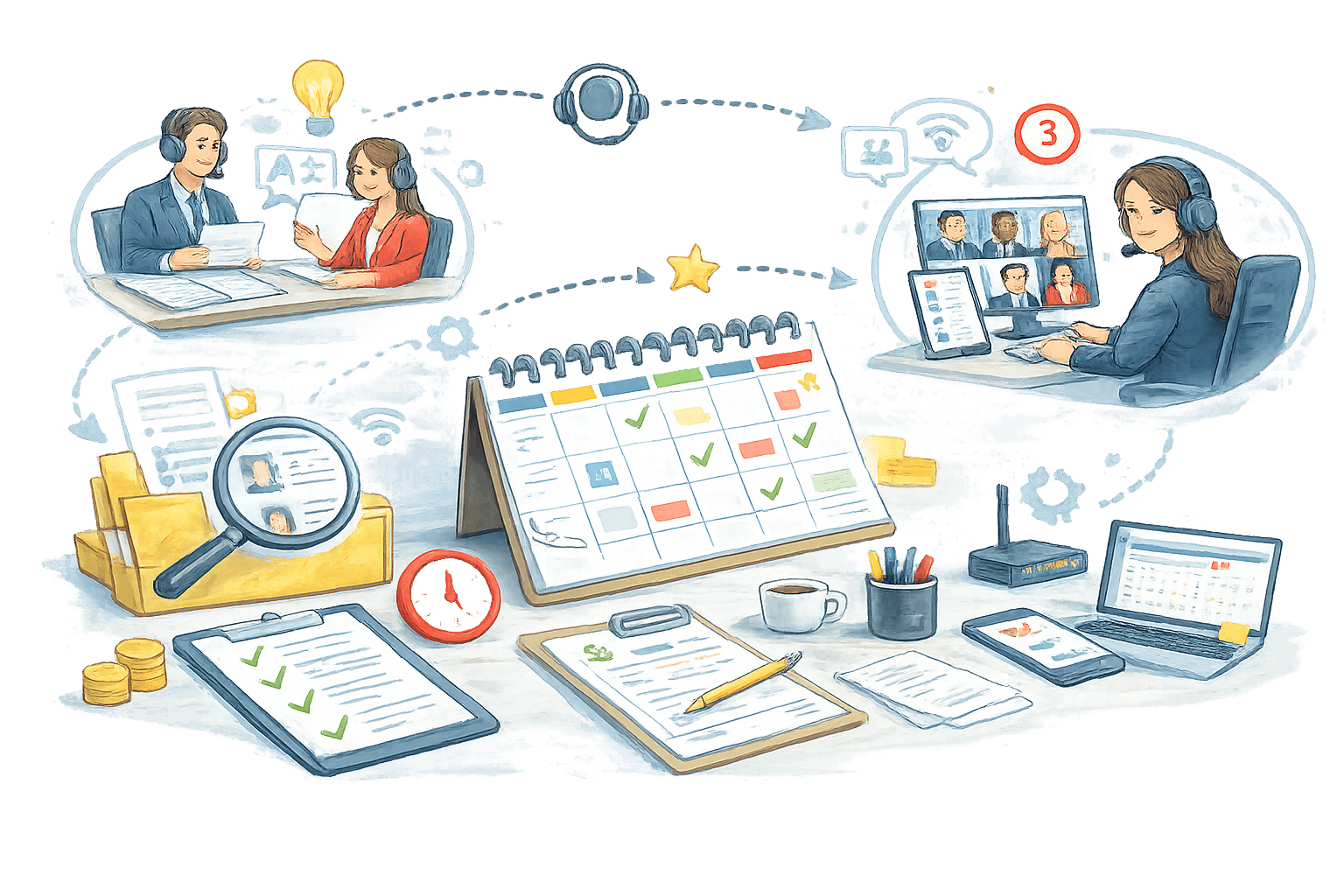
Trusted by global enterprises

































Frequently asked questions
How is video-conferencing interpretation different from OPI?
OPI is ideal when speed matters and the conversation can happen by phone. Video-conferencing interpretation is better when visual context, slides, demonstrations, or participant visibility help the meeting succeed.
What kinds of meetings fit this format?
It works well for multilingual trainings, virtual town halls, global team meetings, supplier conversations, and other sessions where attendees benefit from seeing the meeting as it happens.
What should we prepare in advance?
Meeting agenda, participant context, terminology, any slides or handouts, and a quick technical check with hosts and interpreters all help the session run more smoothly.
Can this be paired with translated meeting materials?
Yes. Many organizations pair live video interpretation with translated documents, decks, or follow-up materials so communication stays clear before, during, and after the meeting.