Over-the-phone interpretation (OPI) and video remote interpretation (VRI) both provide access to a professional interpreter without scheduling an onsite visit. The best choice depends on the conversation.
When phone interpretation works well
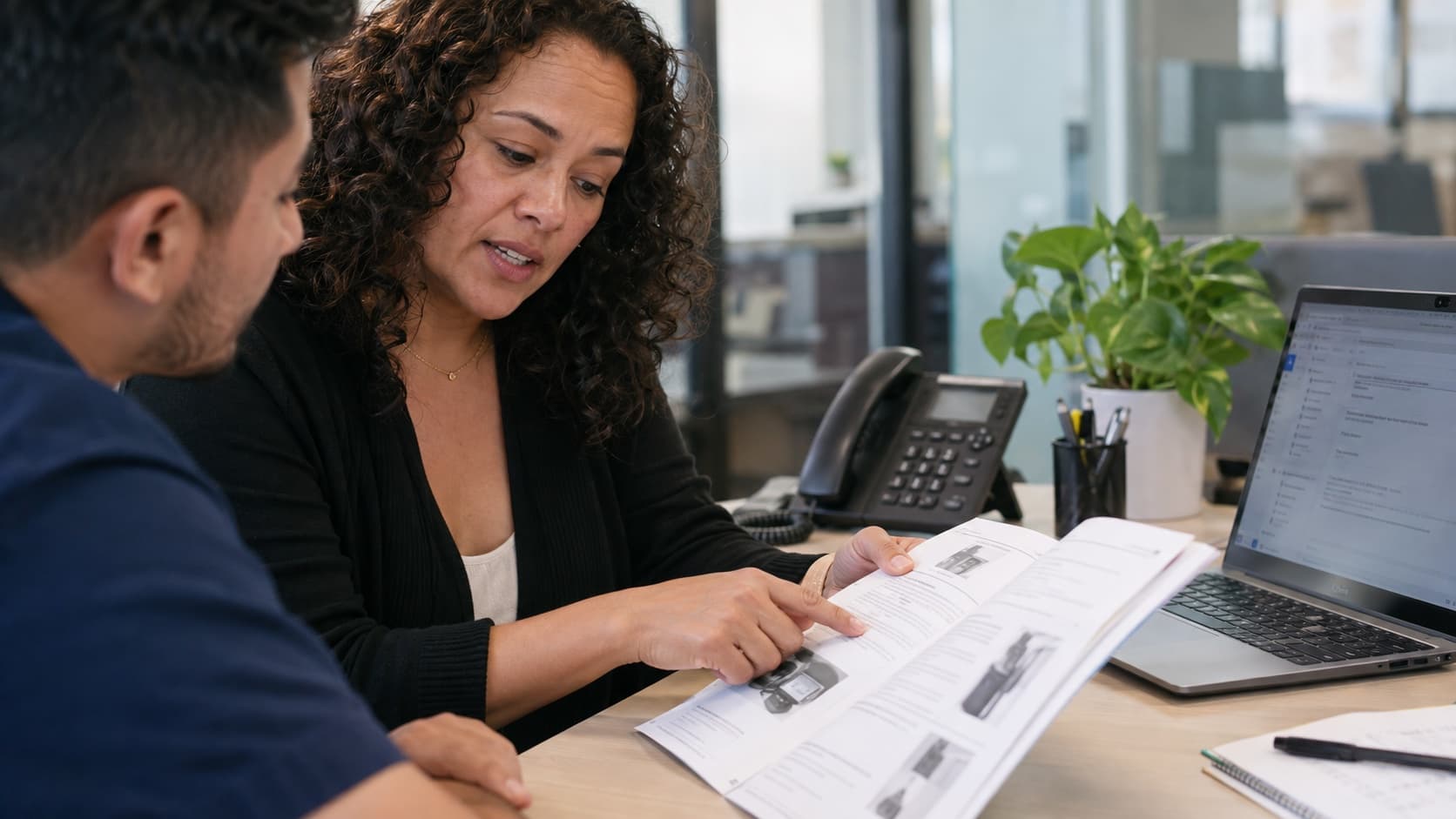
OPI is fast, widely available, and useful when visual information is not necessary. It can be a very good fit for customer service calls, short employee conversations, scheduling, and other transactional needs.
The equipment requirement is simple: a phone or approved connection method.
When video adds value
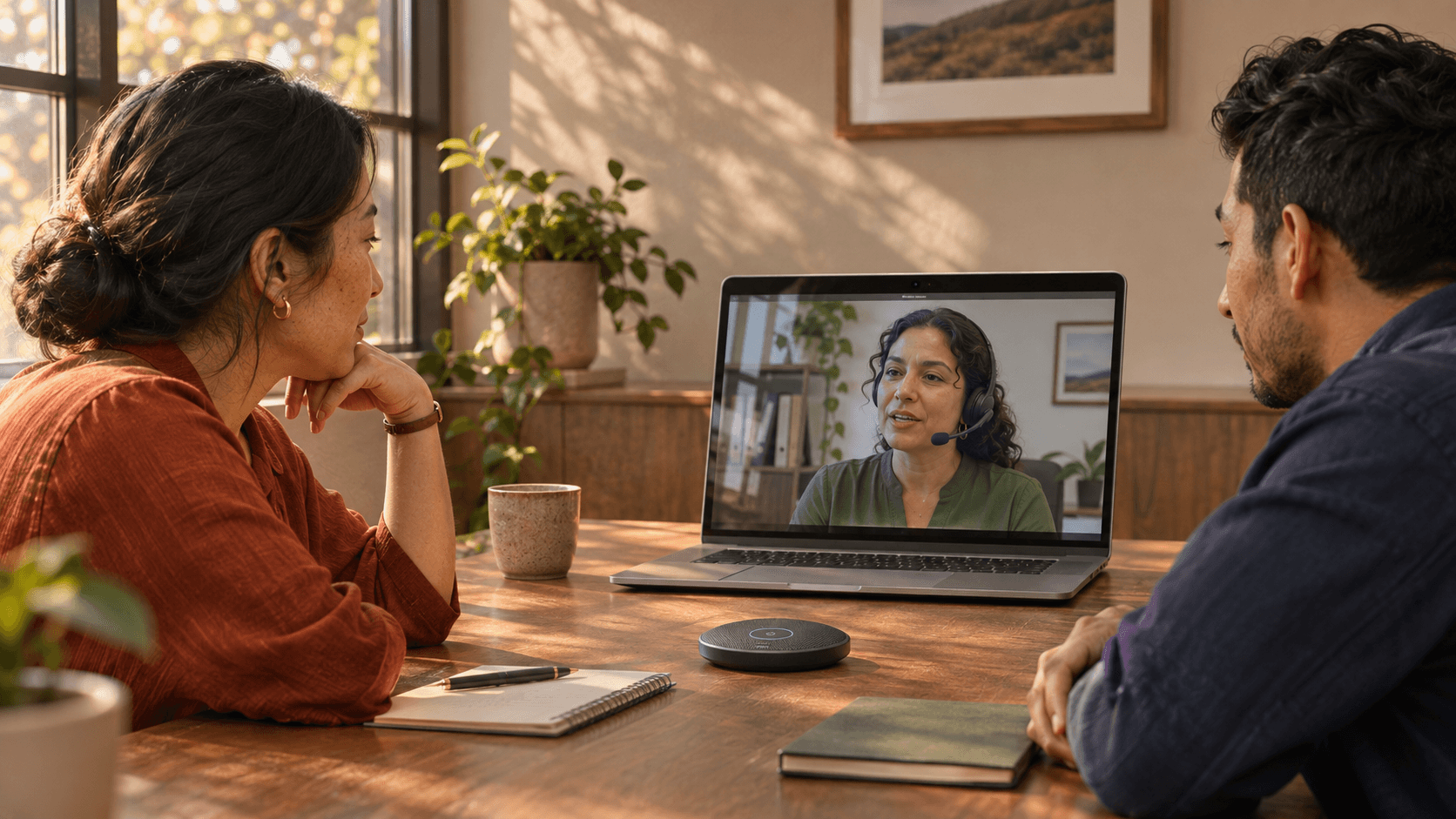
VRI allows participants to see the interpreter. That visual connection can help when body language, facial expression, a document, or a physical environment matters. Video is often valuable in healthcare and emotionally sensitive conversations, and it supports sign language interpretation.
The organization needs a reliable device, internet connection, privacy, and a process staff can use quickly.
Many organizations need both
The decision should not be based on price alone. Consider urgency, subject matter, visual dependence, privacy, technology, accessibility, and the preferences of the participants.
Staff should know how to connect before an urgent need occurs. Simple internal guidance can explain when phone, video, or an onsite interpreter is appropriate.
Regardless of format, provider quality depends on interpreter qualifications, language coverage, subject-matter experience, security, and service reliability.
Workplace Languages can help organizations compare interpretation options and build access around the situations their staff actually encounter.