
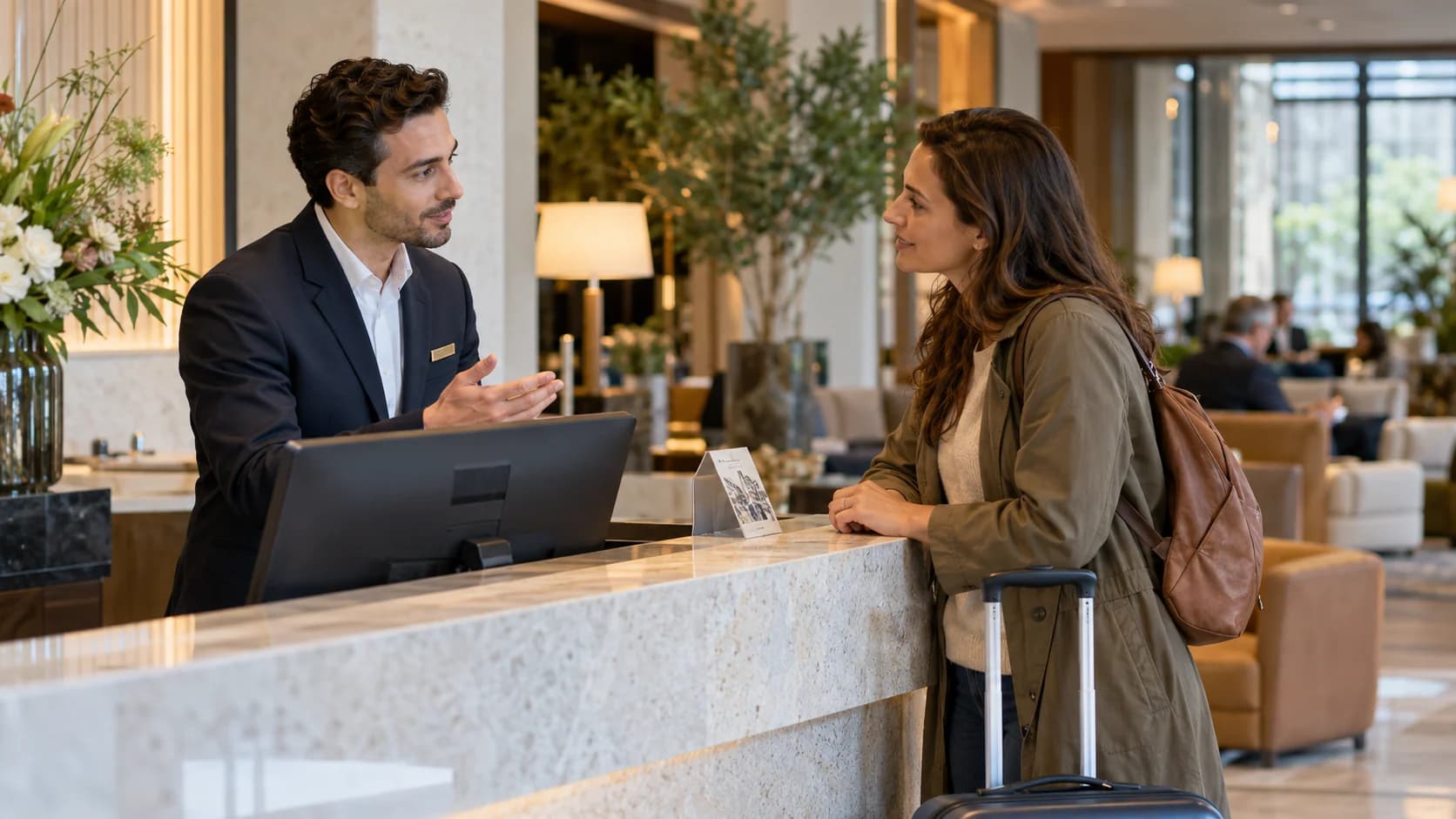
A hotel guest who can't communicate a basic request, a late checkout, a room issue, a question about the area, doesn't usually file a complaint. They just leave a review that quietly damages the next booking.
Hospitality is a first-impression business, and language is one of the most immediate parts of that impression. A guest's sense of whether they were genuinely cared for often comes down to whether staff could actually understand and respond to what they needed, not just execute a transaction.
Why Hospitality Has Unique Language Demands
Unlike many industries where language needs are concentrated in one or two languages, hospitality businesses, especially those in tourist destinations or major metro areas, often need a wider spread: Spanish, French, Portuguese, Mandarin, and others, depending on guest demographics that shift seasonally.
At the same time, hospitality relies heavily on a workforce that is itself highly multilingual. Front desk staff, housekeeping, food service, and maintenance teams often include employees who speak a language other than English as their first language, creating internal communication needs alongside guest-facing ones.
What Language Training Looks Like in Hospitality
Guest interaction training focused on hospitality-specific phrases, check-in and check-out procedures, common requests, handling complaints gracefully, rather than generic conversational language.
Internal team communication training, helping supervisors and staff from different language backgrounds coordinate smoothly across shifts, departments, and busy service periods.
Interpretation access for complex situations — a medical concern, a billing dispute, or anything requiring precision beyond a staff member's comfortable proficiency level.
Multilingual materials for guest-facing documents: menus, safety information, amenity guides, and booking confirmations.
Why This Investment Pays Off Quickly in Hospitality
Hospitality businesses live and die by reviews and repeat visits more than almost any other service industry. A guest who felt genuinely understood, not just processed, is far more likely to return and to recommend the property or restaurant to others. Language training here isn't a soft benefit; it's directly tied to the metrics hospitality businesses already obsess over: guest satisfaction scores, review ratings, and repeat booking rates.
Frequently Asked Questions
Which languages are most important for hospitality businesses to train for?
It depends heavily on location and guest demographics, a property near an international airport or tourist destination has different needs than one serving a primarily domestic, regional clientele. A needs analysis specific to your guest base is the right starting point.
Should housekeeping and back-of-house staff get language training too, or just guest-facing roles?
Both matter. Guest-facing training affects the visible experience, but internal communication training for back-of-house and cross-shift teams affects operational efficiency and workplace safety.
Can language training be delivered around hospitality's unpredictable shift schedules?
Yes, flexible formats like short onsite sessions between shifts or live online classes are common in hospitality specifically because of its variable scheduling demands.
Give every guest a reason to come back.
Contact Workplace Languages about language training built for hospitality teams.