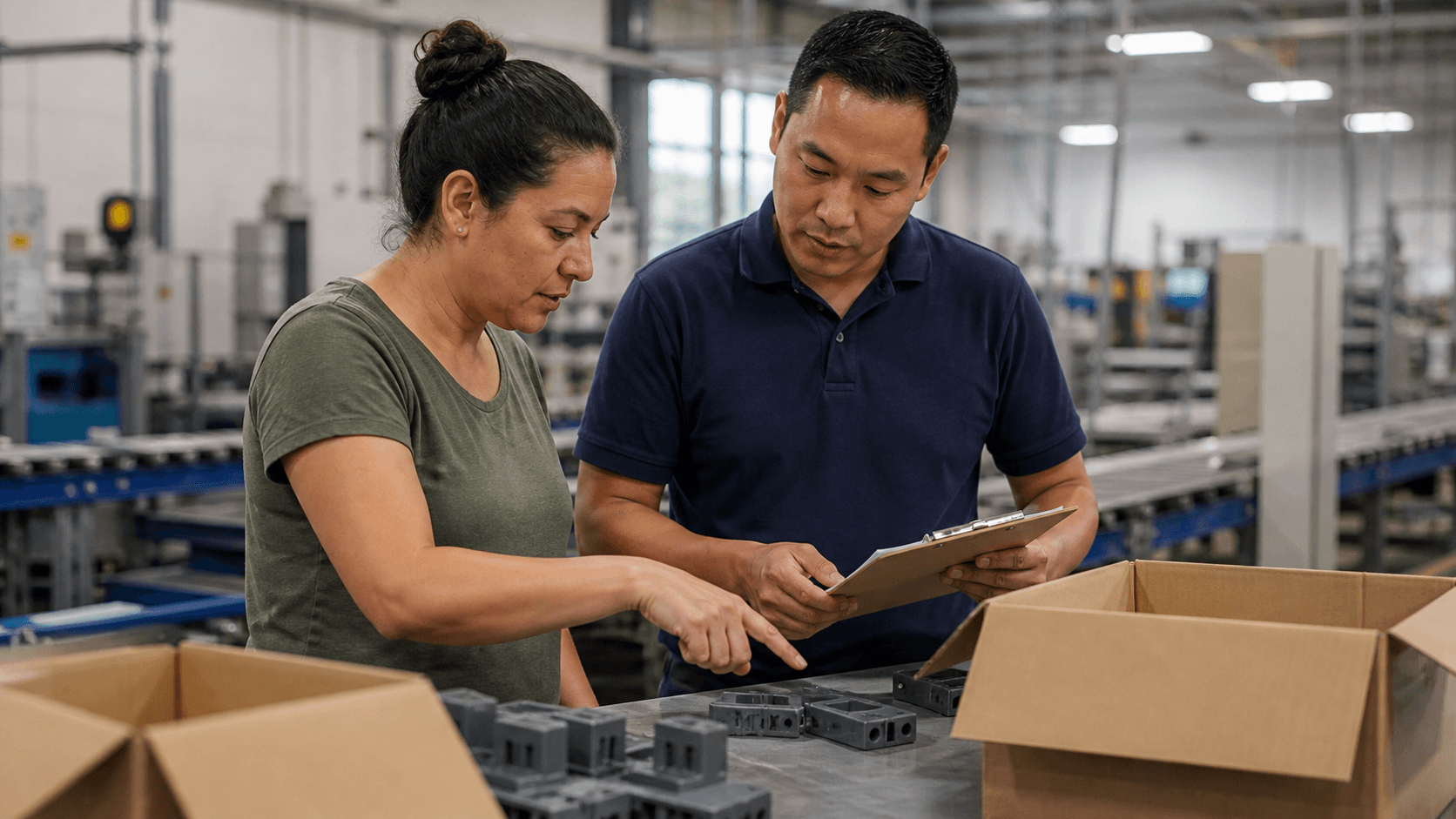

Food processing facilities manage strict sanitation, allergen, equipment, and documentation requirements while often employing multilingual teams. The language program has to reflect that reality.
Teach the exact procedures employees use
Relevant content may include:
- HACCP and food safety terminology.
- Cleaning and sanitation procedures.
- Allergen controls and cross-contact prevention.
- Equipment operation, shutdown, and hazard language.
- Corrective actions and quality communication.
- Reading and completing required records.
The instructor should work with the company's quality and safety teams. Those teams determine the required procedure; the language program helps employees understand and use the words connected to it.
Document the training
Attendance, baseline proficiency, learning objectives, progress reports, and post-training results can support the facility's broader documentation. The exact regulatory and audit requirements should be confirmed by the organization's quality, regulatory, and legal professionals.
Reinforce between sessions
Bilingual cheat sheets, pocket guides, audio, and customized app content can keep high-frequency terms available on the floor. They are especially useful for onboarding and high-turnover roles. They should reinforce instruction, not replace the need for real comprehension.
The goal is for employees to understand the procedure, ask a question, report an issue, and complete the required task correctly.
Workplace Languages can build a food processing program around the facility's real terminology and schedule.